
無塵室及環境監測用空氣粒子計數器
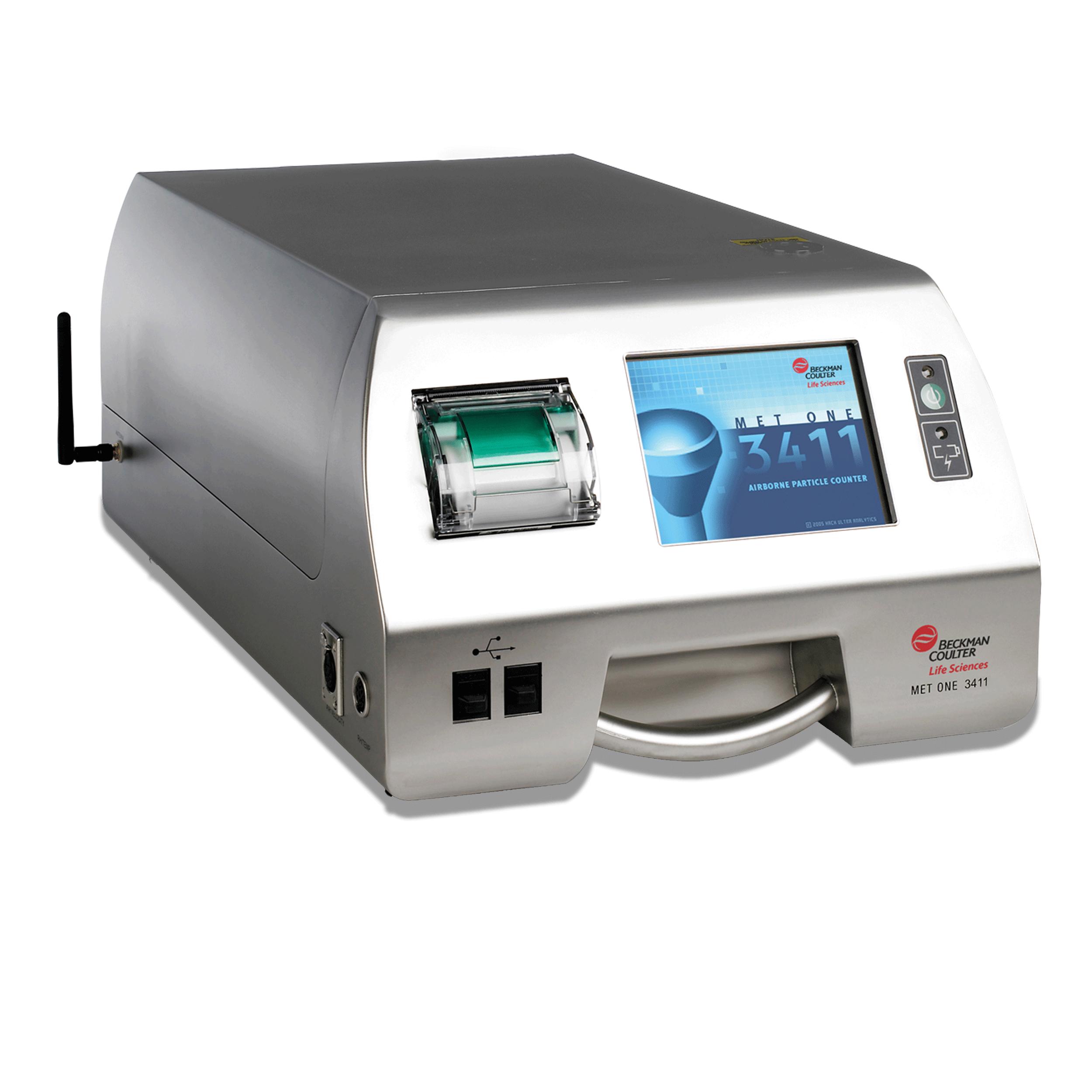
MET ONE 空氣粒子計數器提供空氣清潔度監測的解決方案,引領業界,符合 ISO 14644、FDA CGMP 及 EU GMP Annex 1 標準。攜帶式、遠端及手持式空氣粒子計數器的設計可輕易與您的標準操作程序(SOP)整合,用於無菌填充之清潔度監測、常規環境監測、無塵室與流量測試台確效,以及空氣過濾疑難排解等程序。提供符合 ISO 21501-4 標準的 MET ONE 空氣粒子計數器,可靠、耐用且可輕易與您符合 21 CFR Part 11 的工作流程整合。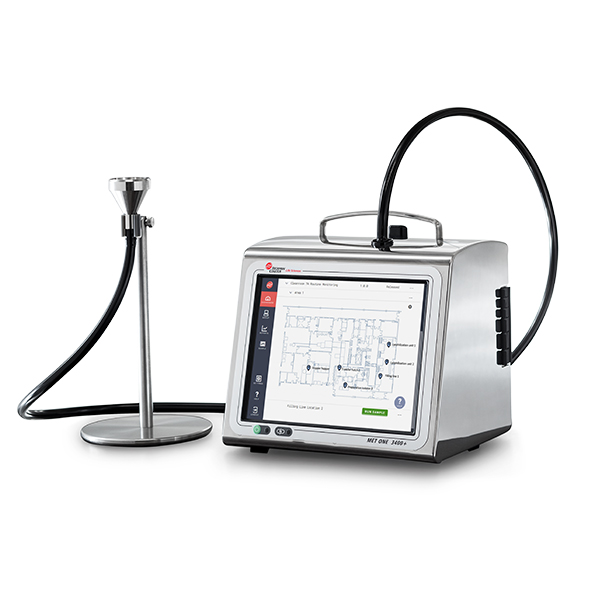




FAQ on Air Particle Counters
What is the difference between portable, handheld, and remote particle counters?
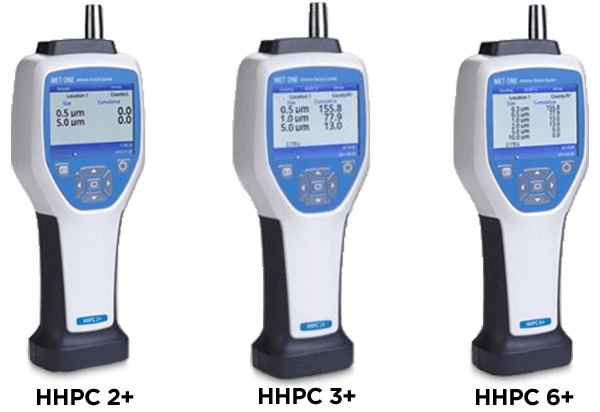
Portable particle counters are designed for routine monitoring and cleanroom certification activities. Handheld particle counters provide convenient spot-checking and troubleshooting in small or difficult-to-access areas. Remote particle counters are permanently installed for continuous monitoring and integration with facility monitoring systems.
What standards are commonly associated with air particle counting?
Air particle counting is often associated with ISO 21501, which outlines performance and calibration requirements, and the ISO 14644 series, which defines cleanroom classification standards, monitoring and testing. Other standards related to airborne particle monitoring include EU GMP Annex 1 and FDA cGMP for pharmaceutical environments, as well as standards that are related to particle counting electronic data records like 21 CFR Part 11.
Why are air particle counters important for cleanroom monitoring?
Air particle counters provide organizations with important information used to assess cleanroom performance and monitor airborne particle contamination levels. Particle contamination can affect product quality and safety as well as process consistency within cleanrooms and other controlled environments. Particle count data also supports cleanroom classification, environmental monitoring programs, contamination investigations and compliance activities associated with ISO 14644, FDA cGMP requirements and EU GMP Annex 1 guidance.
What is an air particle counter?
An air particle counter measures and counts airborne particles within a defined volume of air. These systems are commonly used in cleanrooms, pharmaceutical manufacturing facilities, medical device production environments, and laboratories to monitor contamination levels and verify air cleanliness.
What particles can an airborne particle counter detect?
Airborne particle counters detect and count particles suspended in the air, within the size range supported by the counter. Depending on the model and configuration, MET ONE airborne particle counters can measure particles from 0.3 to 10.0 µm. Individual counters report particles at defined size thresholds, such as 0.3, 0.5, 1.0, 2.0, 3.0, 5.0 or 10.0 µm. Available size channels vary by model. For example, some counters are configured to monitor the 0.5 µm and 5.0 µm particle sizes commonly used in pharmaceutical cleanroom monitoring.
How does continuous particle monitoring support GMP compliance?
Continuous particle monitoring provides real-time cleanroom data throughout manufacturing operations. Organizations use this data to identify excursions, investigate contamination events, document environmental conditions and support contamination control strategies. Continuous monitoring systems may also simplify long-term data retention, trend analysis and review activities when used within an organization's quality management framework. Automated air particle monitoring systems can also support audit trails and electronic record requirements.
