
離心機轉子
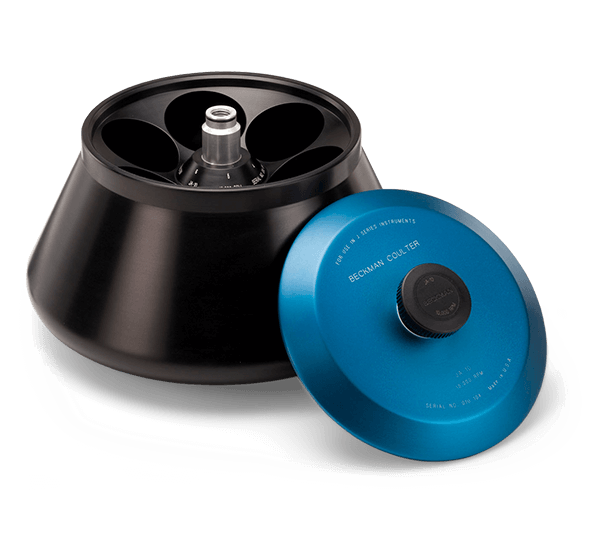
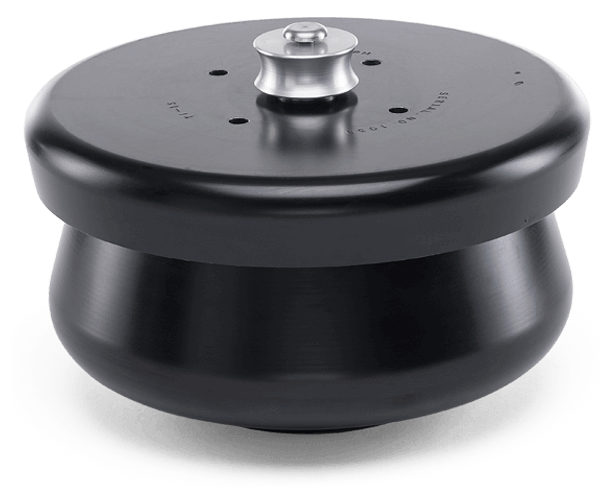
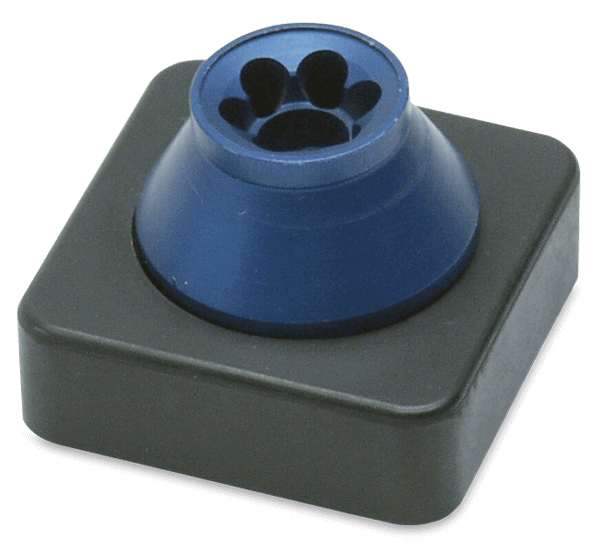
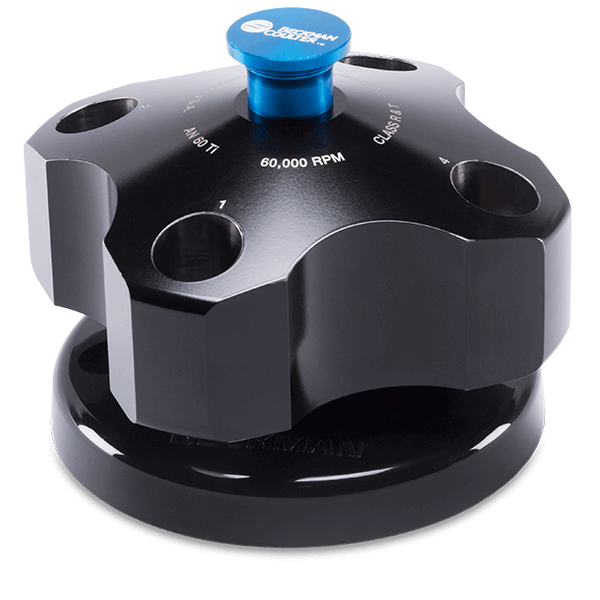
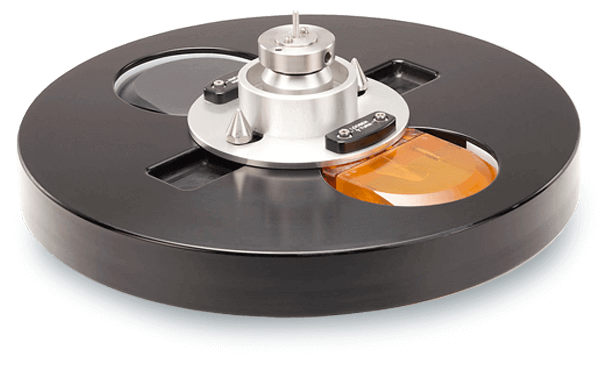
我們廣泛的轉子產品組合支持從微孔盤和微管到 1 公升離心瓶的實驗室器具使用與操作,滿足您不斷提升的研究需求。
專為各種加工應用而設計:
- 生物處理
- 細胞生物學
- 診斷和臨床生物學
- 基因組學和分子生物學
- 蛋白質研究
- 研究和藥物發現
- 病毒和奈米技術研究


FAQ on Centrifuge Rotors
What is the difference between a fixed-angle rotor and a swinging-bucket rotor?
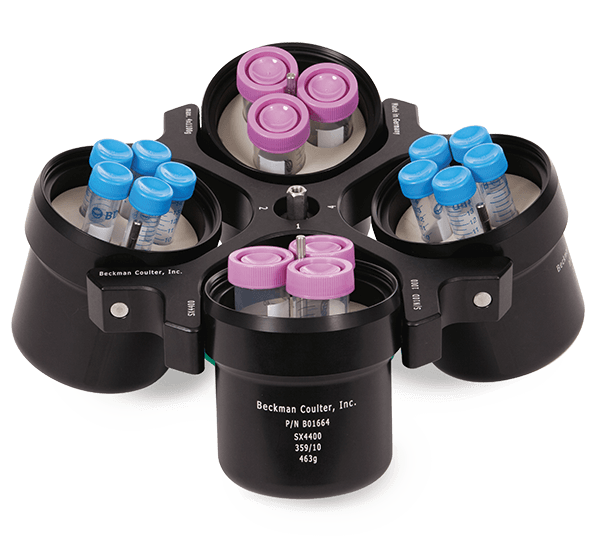
Fixed-angle rotors hold tubes at a constant angle and are commonly used for rapid pelleting applications. Swinging-bucket rotors allow tubes to swing into a horizontal position during centrifugation, making them well suited for density-gradient separations, improved sample layering, and higher-resolution fractionation.
What is a continuous flow rotor used for?
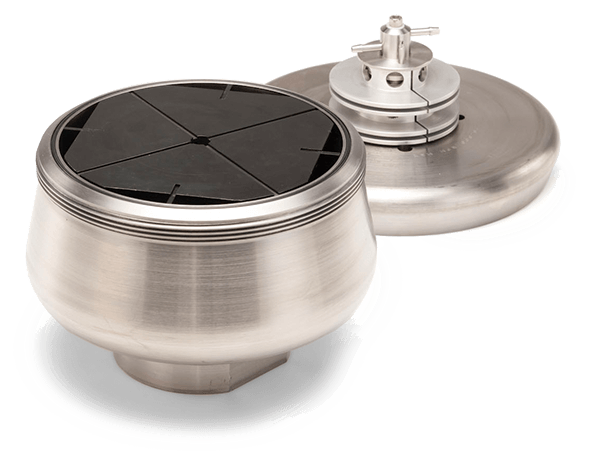
Continuous flow rotors are designed for processing large sample volumes without repeatedly stopping the centrifuge. They are commonly used for harvesting cells, viruses, organelles, and biological products in research and bioprocessing applications.
How do I choose the right centrifuge rotor for my application?
Choosing the right centrifuge rotor depends on factors such as sample volume, particle size, required throughput, centrifugation method, and desired separation outcome. Fixed-angle rotors are often preferred for pelleting, while swinging-bucket, vertical, and continuous flow rotors are selected for specialized separation and large-volume processing workflows.
What are the main types of centrifuge rotors?
The main types of centrifuge rotors include fixed-angle, swinging-bucket, vertical, near-vertical, zonal, continuous flow, analytical ultracentrifuge, and elutriation rotors. Each rotor design is optimized for specific separation methods, sample volumes, and performance requirements.
When should a vertical rotor be used in centrifugation?
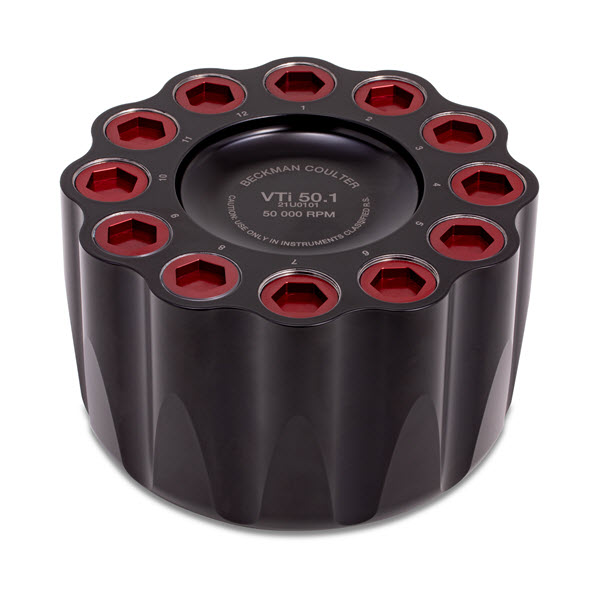
Vertical rotors are typically used for isopycnic and density-gradient separations in ultracentrifugation workflows. Their design minimizes particle travel distance, helping reduce run times while maintaining efficient separation performance.
